Most homeowners focus on what they can see. New flooring, fresh paint, updated appliances. But what’s happening above the ceiling, inside your attic, can have a bigger impact on your home’s health than almost anything else.
Proper attic ventilation plays a key role in regulating temperature, controlling moisture, and protecting your home’s structure. When it fails, the consequences can be costly. According to the U.S. Department of Energy, poor attic ventilation is a leading cause of premature roof failure and elevated energy costs in residential homes.
How Attic Ventilation Works
A well-ventilated attic relies on a balanced system of intake vents and exhaust vents. Intake vents, typically located along the soffit, pull in fresh outside air. Exhaust vents, placed near the roof’s peak, allow hot, moist air to escape.
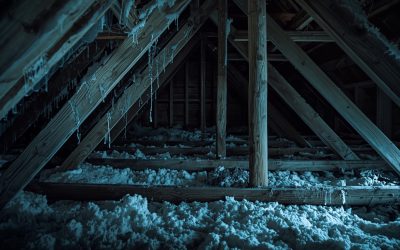
This continuous airflow keeps your attic from becoming a trap for heat and humidity. In the summer, it prevents dangerous heat buildup. In the winter, it reduces the condensation that forms when warm indoor air meets cold attic surfaces.
Problems Caused by Poor Attic Ventilation
When airflow is blocked or insufficient, a chain of problems can follow:
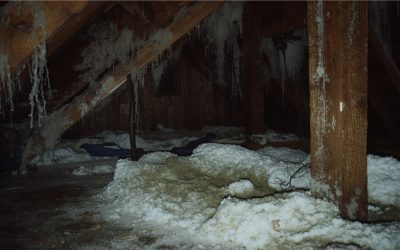
- Mold growth from trapped moisture on wood surfaces
- Moisture damage to rafters, sheathing, and insulation
- Higher energy bills due to heat radiating into living spaces
- Roof deterioration caused by heat and ice dam formation
- Insulation damage that reduces its effectiveness over time
Many homeowners discover these issues only after the damage is already significant. At that point, attic mold remediation services or attic insulation repair services become necessary to restore the space properly.
How Ventilation Supports Insulation Performance
Ventilation and insulation work together. Without proper airflow, even the best insulation loses its effectiveness.
For example, blown-in insulation services are a popular choice for Northwest Ohio homeowners looking to improve energy efficiency. But if moisture is allowed to accumulate in the attic, blown-in material can absorb that moisture and lose its thermal performance over time.
The same is true for spray foam insulation in Toledo, Ohio homes. Spray foam creates an excellent air seal, but the attic still needs a properly designed ventilation system to manage heat and humidity at the roof level.
When ventilation is balanced, insulation stays dry, performs as intended, and lasts longer.
Signs Your Attic May Have Ventilation Problems
Watch for these warning signs in your home:
- Musty or stale smells coming from the attic
- Visible mold or dark staining on wood surfaces
- Unusually high temperatures in the attic during summer
- Ice dams forming along the roofline in winter
- Unexplained increases in your heating or cooling bills
If any of these sound familiar, attic moisture control services can help identify the source and prevent further damage before it spreads.
Protect Your Home from the Top Down
Attic ventilation is one of those things that works quietly in the background until it stops working. Keeping it balanced protects your insulation, reduces the risk of mold, and helps your home run more efficiently year-round.
Learn more about professional attic insulation, moisture control, and ventilation solutions at toledofoamandmold.com.
Fequently Asked Questions
How does proper attic ventilation actually work?
A properly ventilated attic uses a balanced system of intake vents, usually at the soffits, and exhaust vents near the roof peak. This airflow helps move out heat and moisture so the attic does not trap humidity in winter or overheat in summer.
What are the warning signs that my attic ventilation may not be working properly?
Common signs include musty odors, visible mold or dark staining on wood, extreme attic heat during summer, ice dams in winter, and rising heating or cooling bills. These issues can all point to trapped heat and moisture in the attic.
Can poor attic ventilation damage insulation and roofing materials?
Yes. The page explains that poor ventilation can lead to moisture damage, reduced insulation performance, and roof deterioration over time. When ventilation is properly balanced, insulation stays drier, performs better, and lasts longer.